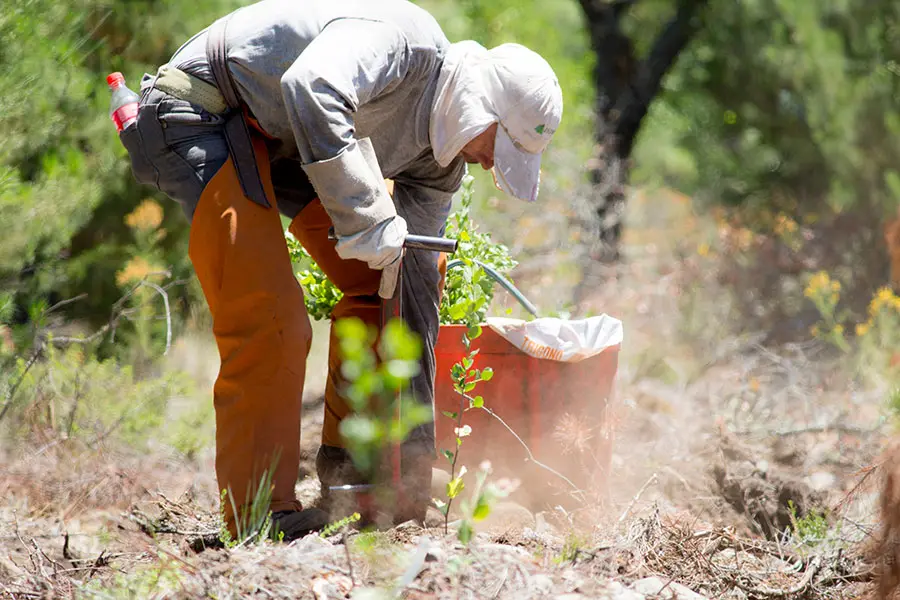
The Quillagrow™ programme: securing supply, protecting biodiversity
Component content
At Givaudan, we depend on a steady supply of thousands of ingredients sourced from around the world.
These natural resources inspire innovation and are essential to the creation of our Taste & Wellbeing and Fragrance & Beauty products. Preserving and restoring biodiversity – the diversity of life on Earth – in the places where we source and operate is vital not only to our business, but also to the sustainability of the many communities we work with and support.
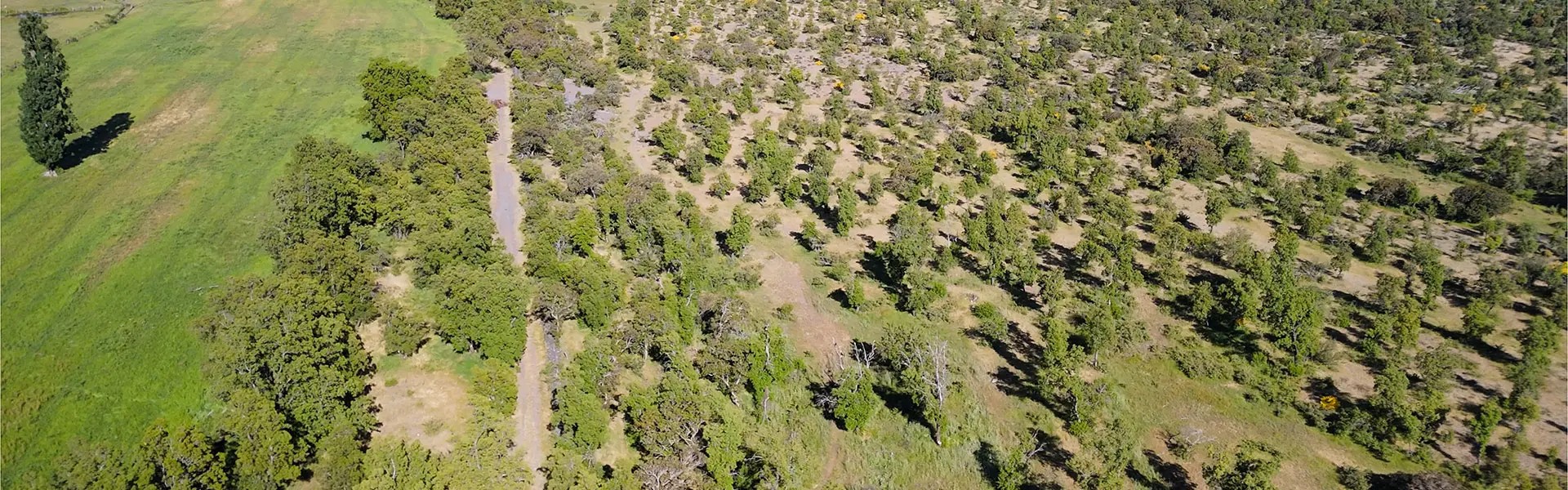
Our efforts in wild harvest supply chains show how we support biodiversity. As an example, our Quillagrow™ project in Chile, with its dedicated tree plantation, conserves species while securing quillaia wood sourcing.
Complement to wild sourcing
Component content
Complement to wild sourcing
Quillaja saponaria, also known as quillaia (or soapbark), is native to central and southern Chile, where it grows in the poor soil of semi-arid regions.
The wood, traditionally sourced from the wild, contains saponins, compounds that are used as natural emulsifiers in, for example, food, beverages and cosmetics. While local government regulations aim to ensure sustainability through harvesting permits, growing demand for derivative products could strain the wild resource. Climate change too may limit wood access and quality.
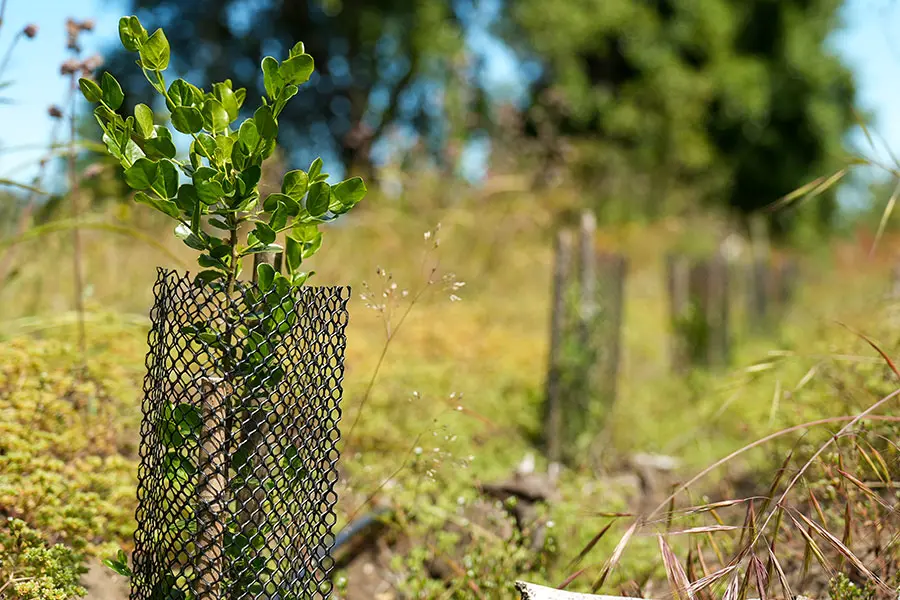
Our Quillagrow™ project allows us to anticipate and ultimately meet this demand sustainably through the cultivation of quillaia trees as a complement to wild sourcing.
Givaudan’s Agronomy team leads this collaborative and ambitious project in collaboration with our Procurement team, Givaudan Linares Chile and a local strategic partner who supports project implementation. Since the start of the project in 2022, we have planted 70 hectares, or about 259,000 quillaia trees, and we aim to plant one million trees covering 340 hectares by 2030.
Optimising biomass production and quality
Component content
Optimising biomass production and quality
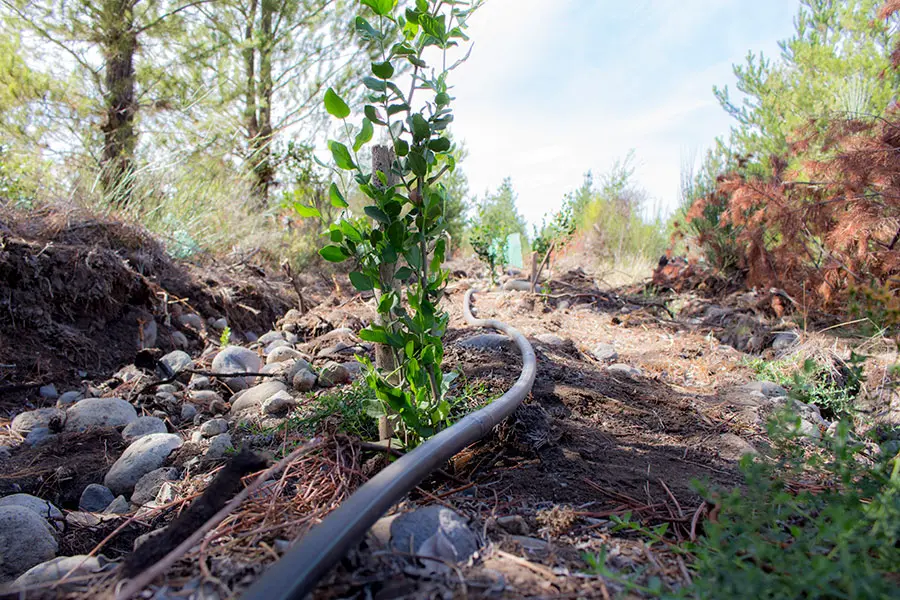
While diversifying and de-risking quillaia wood sourcing, we also want to optimise biomass production and quality.
Experimental trials on growing parameters including planting density, managed irrigation and soil fertility help generate scientific insights to establish best agroforestry practices.
Research into quillaia variety selection, which compares the performance of selected genotypes, will help us enhance wood quality and improve efficiency.
By ensuring sustainable wild harvesting while also exploring and improving ways to domesticate and cultivate these trees following best practices, we can develop complementary sourcing methods that reduce pressure on wild populations.