Givaudan Foundation expands hygiene access for katemfe children
Component content
The Foundation aims to positively impact the communities where Givaudan sources and operates, and focuses efforts on livelihood, wellbeing and the preservation of natural resources.
Their work with the Thaumatococcus‑producing communities of Agboville, Côte d’Ivoire, in the Katemfe supply chain in Western Africa is one such example.
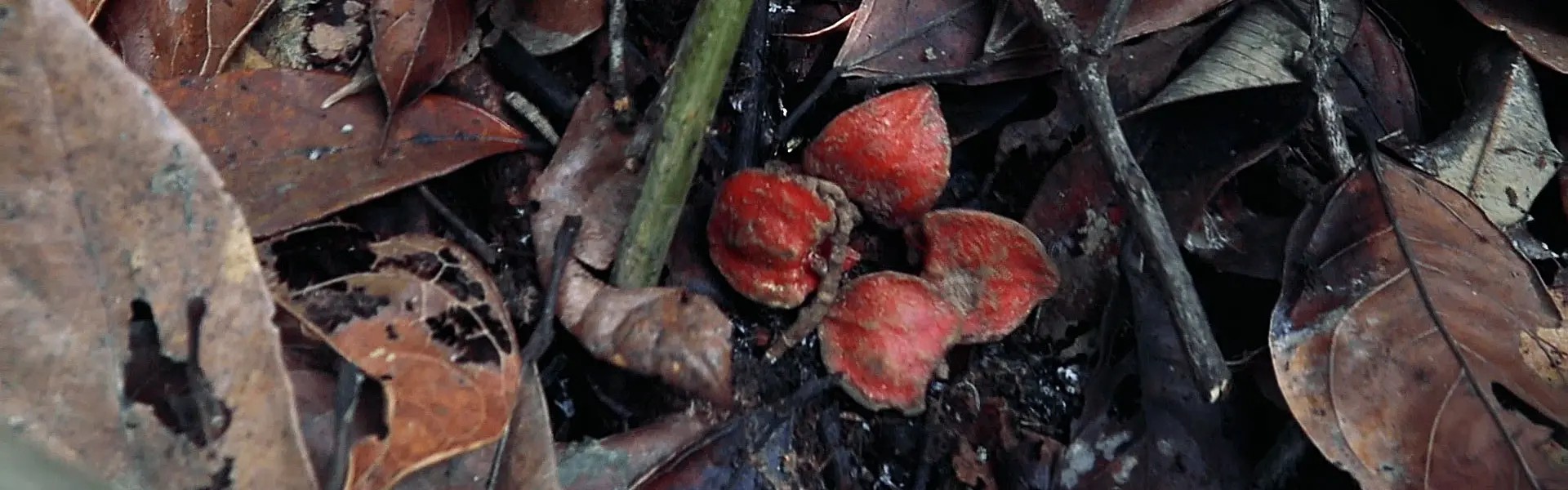
Thaumatococcus daniellii plants, known locally as katemfe, produce fruit that contains thaumatin, a rare, extremely sweet ingredient that Givaudan processes into Talin®, a clean-label for reduced-sugar products. A network of collectors in Côte d’Ivoire gathers the fruit from the forest, allowing us to source katemfe and provide income for families while promoting sustainable practices.
From learning kits to a fully refurbished school
Component content
From learning kits to a fully refurbished school
While working to build product traceability and training collectors on sustainable harvesting and post-harvest practices, Givaudan’s Ivorian team noticed that some schools in the collection areas lacked adequate conditions for students to learn. The cost of school supplies also represents a barrier to education for many families. As a response, the Givaudan Foundation provided educational materials, distributing some 600 kits to five surrounding schools in 2021.
Building on this, the Foundation then rehabilitated a local primary school, refurbishing three classrooms and constructing three latrines with handwashing facilities to create a clean, safe learning environment. Inaugurated in 2024, additional upgrades included a new roof, fresh paint, new tables and various furnishings. At the same time, the school was enriched by 655 new books – from textbooks and exercise booklets to stories, documentaries, and poetry – greatly expanding access to knowledge and inspiring a love of reading.
Reducing health risks, promoting good hygiene
Component content
Reducing health risks, promoting good hygiene
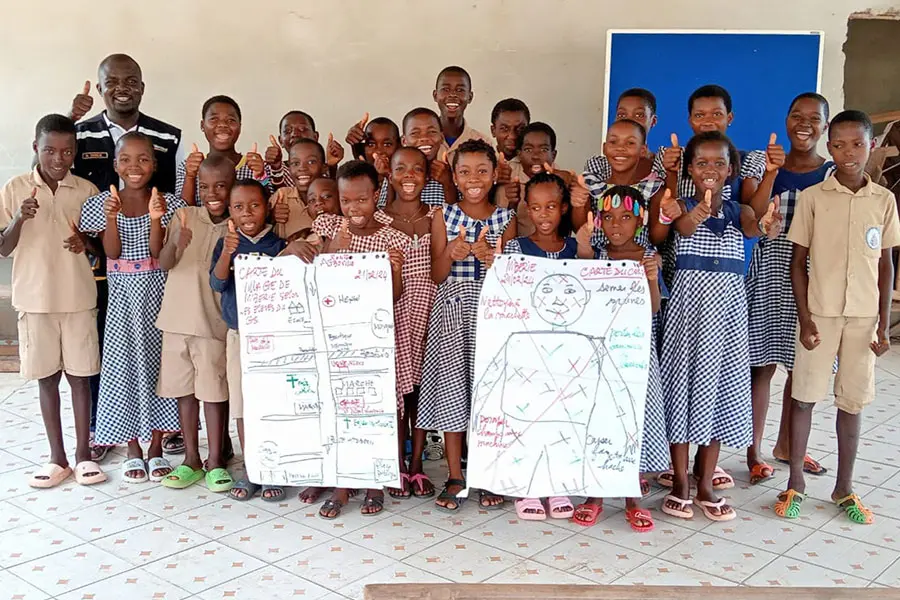
In 2025, through the Givaudan Foundation, we engaged with more than 250 children from the communities in Water, Sanitation and Hygiene (WASH) and school-environment training sessions, aiding them to benefit directly from the improved infrastructure we have been rehabilitating. This helps reduce health risks related to inadequate sanitation and promotes general good hygiene practices among students.
The Foundation’s efforts also extended to capacity-building for students, teachers, and community members, to maintain the facilities effectively. The active involvement of beneficiaries, traditional leaders, and school management is essential to ensure quality, embed good practices, and secure the project’s long-term sustainability. Together, we have worked to support sustained management, so that many more people in the community may benefit for years to come.